Top 10 Must-Visit Destinations in Vietnam 2026
Vietnam drew record numbers of international visitors in recent years, and 2026 looks set to continue that momentum. The country stretches over 3,200 kilometers of coastline, spans towering limestone mountains in the north, and holds one of the densest cave systems on Earth — all within a single S-shaped landmass. Few countries offer this level of geographic variety within such accessible distances.
What makes planning a Vietnam trip genuinely difficult is not a shortage of places to go, but an overabundance of them. A first-time visitor standing in Hà Nội asking whether to head north to Hà Giang or south to Hội An faces a very real dilemma. Even seasoned travelers who have crossed the country multiple times find themselves returning to places they thought they already knew.
This guide cuts through the noise. Drawing from current travel intelligence and on-the-ground knowledge, it maps out the ten destinations that deserve a place on any serious Vietnam itinerary in 2026 — from island escapes and ancient towns to cave systems that still feel like undiscovered territory.
1. Phú Quốc: Vietnam's Island That Grew Up Fast
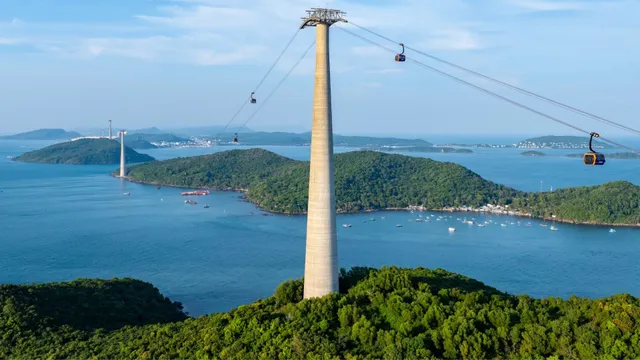
Phú Quốc sits in the Gulf of Thailand off the southern tip of Vietnam, and the island's transformation over the past decade is one of the most striking in Southeast Asian tourism. The construction of the world's longest over-sea cable car — connecting the main island to Hòn Thơm — put Phú Quốc on the international map in a way that no marketing campaign could have achieved alone.
Beyond the headline infrastructure, the island rewards visitors who look past the resort strip. The northern interior remains largely forested and quiet. Cửa Cạn estuary, accessible by kayak, threads through mangrove channels where monitors and kingfishers are regular sights. The pepper plantations inland around Dương Tơ produce some of Vietnam's most prized red pepper, and a visit to a working farm offers a grounding counterpoint to beach days.
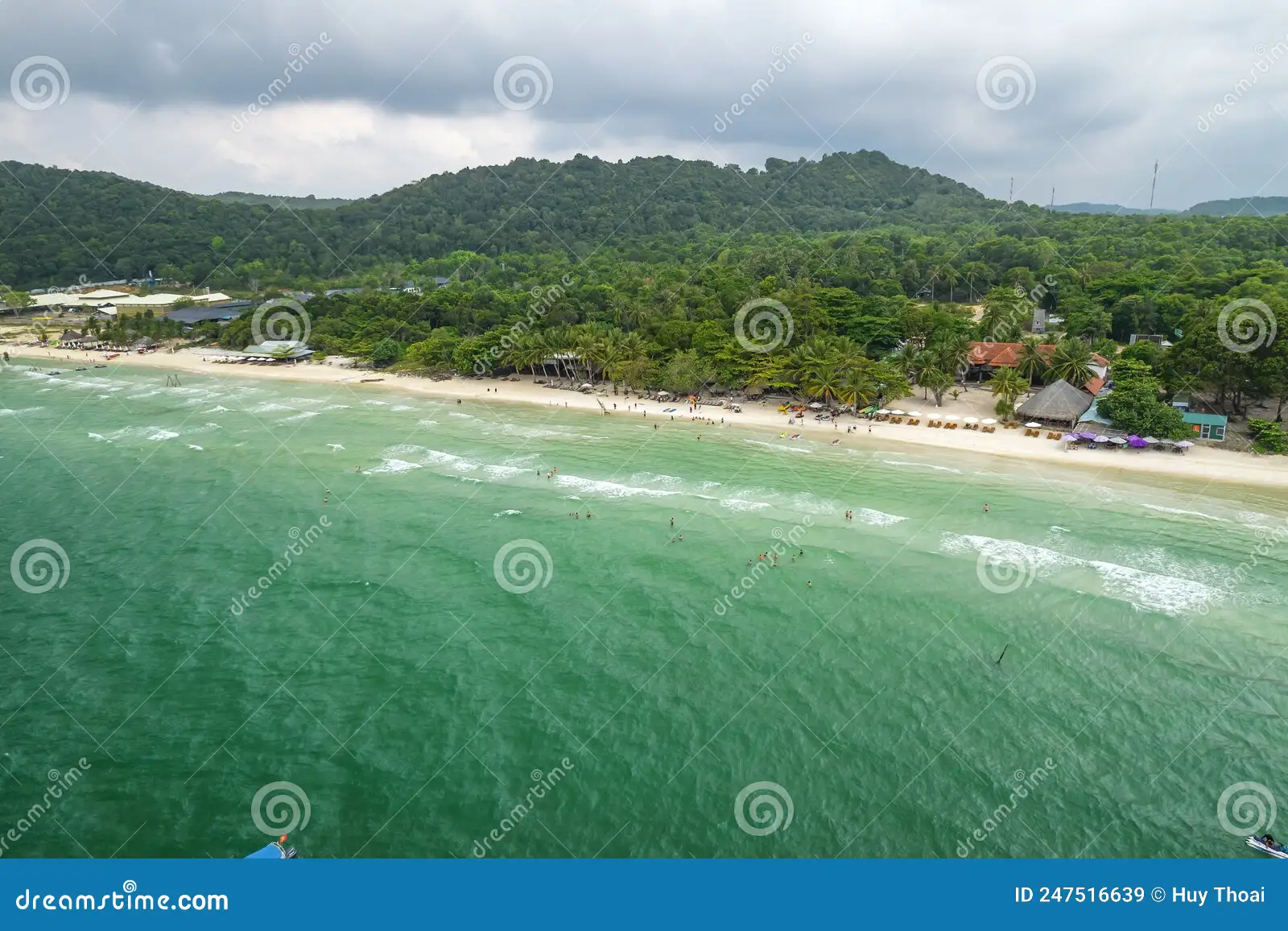
VinWonders amusement park on the southern tip of the island now attracts families from across Asia, but the western coast — particularly Bãi Dài Beach — still holds long stretches where crowds thin noticeably by mid-morning. For 2026, the best window remains November to April, before the southwest monsoon arrives and makes the sea too rough for swimming.
2. Hà Nội: A Thousand Years of Layers
Hà Nội is not a city that announces itself loudly. It builds on you. The Old Quarter's 36 guild streets — each historically dedicated to a specific trade — still carry traces of that commercial logic: Hàng Bạc for silversmiths, Hàng Thiếc for tin goods. Walking them at 6am, before the motorbike tide rises, feels like reading a palimpsest of Vietnamese urban history.
The city also functions as the most practical gateway to northern Vietnam. Trains from Long Biên station connect to Lào Cai for Sapa in roughly eight hours overnight. Buses from Mỹ Đình terminal reach Hà Giang in under seven hours, opening up one of the most dramatic highland loops in Southeast Asia. Many travelers underestimate Hà Nội itself, treating it as a transit hub rather than a destination — and in doing so, miss the Temple of Literature, the Vietnamese Women's Museum, and the still-operating craft villages of Bát Tràng (ceramics) and Vạn Phúc (silk), both within 30 minutes of the center.
Street food in Hà Nội operates by neighborhood logic. Phở bò tends to be lighter and more aromatic in the north than its southern counterpart. Bún chả — the grilled pork noodle dish that became internationally known in 2016 after a high-profile political dinner — remains a lunchtime staple around Hàng Điếu street. Arriving in the capital with a mental map of what to eat and where transforms the experience entirely.
3. Đà Nẵng and the Central Coast: The Region That Keeps Expanding
Đà Nẵng is arguably the most livable city in Vietnam, and its appeal to long-stay travelers and digital nomads has grown steadily. The city itself anchors a coastal stretch that includes Mỹ Khê Beach — a long, flat arc of sand that remains swimmable from roughly March through September — and the Marble Mountains, a cluster of limestone hills riddled with caves and pagodas that rise abruptly from the coastal plain.
What Đà Nẵng offers that no other Vietnamese city quite replicates is the density of distinct day-trip options within an hour's drive. Hội An Ancient Town to the south, the Hải Vân Pass to the north (one of the genuinely beautiful coastal mountain roads in Asia), and the Ba Nà Hills resort complex at 1,487 meters elevation — all reachable before lunch. The Golden Bridge, held aloft by two enormous sculpted stone hands, has become one of the most photographed structures in Vietnam since its 2018 opening and remains worth the trip despite its viral fame.
Travelers coming to Đà Nẵng in 2026 should be aware that June through August brings the peak of domestic tourism season, when beach hotels operate at full capacity and prices reflect that. April and May offer a sweet spot: warm seas, manageable crowds, and prices that haven't yet hit their summer peak.
4. Hội An Ancient Town: The Town That Managed Its Own Fame
Few places in Vietnam have navigated the pressures of mass tourism as thoughtfully as Hội An. The Ancient Town — a UNESCO World Heritage Site since 1999 — imposes vehicle restrictions in its historic core and has maintained much of its original architectural fabric: the Japanese Covered Bridge, the merchant houses of Trần Phú Street, the assembly halls built by Chinese immigrant communities in the 18th and 19th centuries.
In practice, Hội An rewards an early alarm clock. The lantern-lit streets that look crowded in every afternoon photograph become genuinely atmospheric before 7am, when vendors are setting up and the light off the Thu Bồn River is soft. Cooking classes at local family kitchens — where participants shop at the morning market before learning to prepare cao lầu, the town's signature noodle dish made with water from a specific ancient well — are consistently rated among the most memorable experiences visitors take home from Vietnam.
The surrounding countryside adds another dimension. Trà Quế vegetable village, 3 kilometers north of town, produces the herbs and greens that go into Hội An's cuisine and welcomes visitors for farming sessions. The minority community of Bhơ Hôồng, accessible by motorbike through rice fields, offers a quieter encounter with rural life than any organized tour can provide.
5. Phong Nha-Kẻ Bàng: The Cave Province That Still Has Secrets
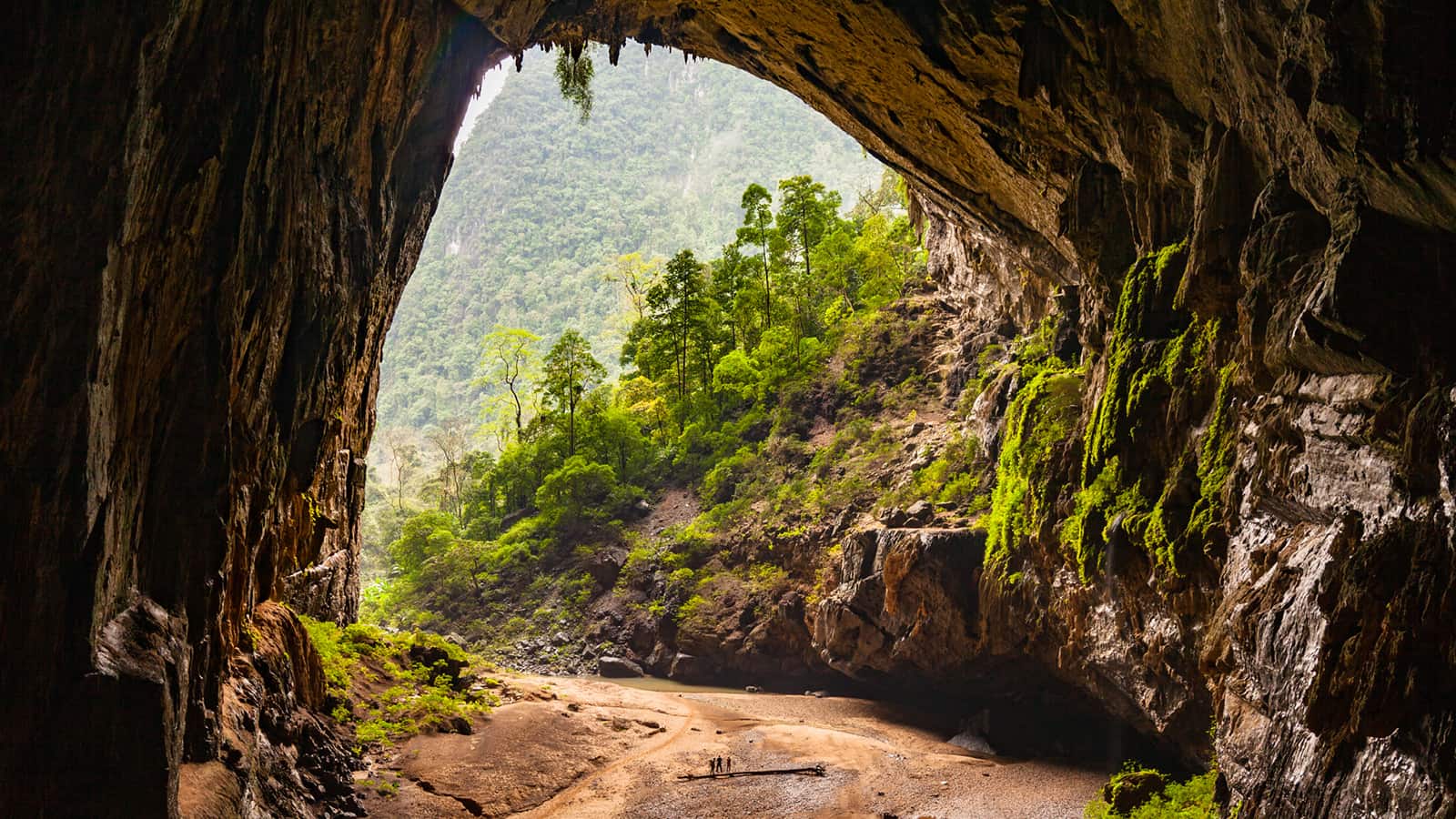
Phong Nha-Kẻ Bàng National Park in Quảng Bình province contains over 300 caves, and the most famous of them — Sơn Đoòng — holds the record as the world's largest cave by volume. A single chamber inside Sơn Đoòng is large enough to contain a 40-story skyscraper. Tours are strictly limited in number, conducted only with licensed operators (currently Oxalis Adventure), and typically book out months in advance at costs starting around USD 3,000 per person for a four-day expedition.
For those who cannot access Sơn Đoòng, the park's other cave systems are extraordinary in their own right. Thiên Đường (Paradise Cave), discovered in 2005, extends for 31 kilometers and contains formations on a scale that challenges the brain's ability to process geological time. Phong Nha Cave, the original draw that gave the park its name, is navigable by boat along an underground river — a quieter, more meditative experience than the larger caves.
The park's surrounding landscape is equally worth understanding. Dense jungle covering the karst plateau sustains rare populations of saola and Hatinh langur, though sightings are uncommon. The nearby Bố Trạch district produces some of Vietnam's best fresh seafood from the sea at Nhật Lệ Beach, making Phong Nha a more complete destination than its cave-focused reputation suggests.
6. Hạ Long, Lan Hạ, and Bái Tử Long Bays: Choosing the Right Bay
The limestone karst seascape that defines northeastern Vietnam extends across three adjacent bodies of water, and which one a traveler visits makes a significant difference to the experience. Hạ Long Bay is the most famous and the most crowded, with hundreds of overnight cruise boats operating simultaneously at peak season. The scenery is genuine and spectacular, but the presence of so many vessels in the same anchorages can undercut the sense of remoteness that makes the landscape compelling.
Lan Hạ Bay, adjacent to Cát Bà Island, covers roughly 7,000 hectares and offers comparable karst formations with substantially fewer tourist boats. Kayaking through the bay's floating fishing villages and hidden lagoons — some accessible only through narrow cave passages at low tide — is a more intimate experience than Hạ Long's standard route. Cát Bà town itself, despite recent development pressure, retains a working fishing port character that Hạ Long's tourist infrastructure has largely displaced.
Bái Tử Long Bay, northeast of Hạ Long and covering over 15,000 hectares, remains the least visited of the three. The islands of Cô Tô and Quan Lạn offer beaches and village life at a pace that feels genuinely unhurried. Access requires more planning — ferry schedules from Cái Rồng are limited — but for travelers willing to build the extra logistics into their itinerary, the reward is a coastal experience that has largely disappeared from the rest of northern Vietnam's tourist circuit.
7. Huế: Imperial Capital with an Underrated Food Scene
Huế served as the seat of the Nguyễn dynasty from 1802 to 1945, and the physical legacy of that era remains remarkably intact. The Imperial Citadel — modeled partly on Beijing's Forbidden City — occupies 520 hectares on the north bank of the Perfume River. The royal tombs of Minh Mạng, Tự Đức, and Khải Định, each reflecting a distinct architectural vision, are spread across the forested hills south of the city and accessible by boat or motorbike.
What Huế's reputation as a historical destination sometimes obscures is its standing as one of Vietnam's most distinctive culinary cities. Royal court cuisine — ẩm thực cung đình — evolved over centuries to produce dishes of unusual complexity and visual refinement. Bún bò Huế, the spiced beef and lemongrass noodle soup, is categorically different from Hà Nội phở and arguably more complex. Bánh khoái, a sizzling rice pancake with shrimp and pork, is eaten wrapped in rice paper with fig leaves and dipped in a fermented peanut sauce specific to this region.
The city sees fewer international visitors than Đà Nẵng or Hội An despite being linked to both by straightforward train and road connections. That relative quiet is part of its appeal — Huế moves at a pace that allows for the kind of unhurried museum visit and evening walk along the Perfume River that feels increasingly rare in Vietnam's more tourist-saturated centers.
8. Hà Giang: The Motorbike Route That Redefines Scale
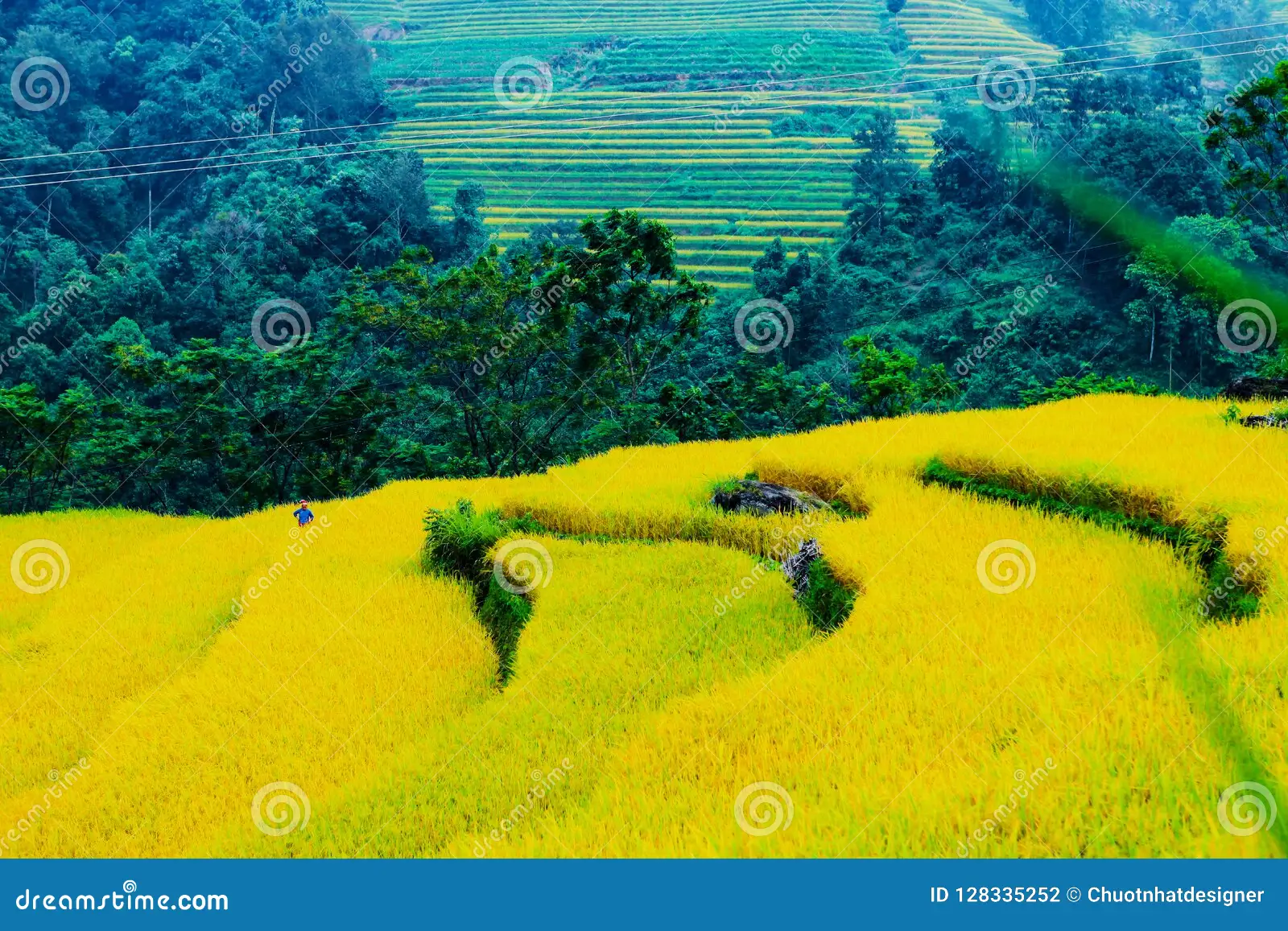
Hà Giang province in the far north shares a border with Yunnan, China, and the landscape along the Đồng Văn Karst Plateau Geopark — Vietnam's first UNESCO-recognized geopark — operates at a scale that rewires spatial perception. Rock columns rise hundreds of meters from valley floors. The Ma Pí Lèng Pass drops from an elevation of 1,500 meters to the Nho Quế River gorge in a series of hairpin bends that constitute one of the most dramatic road descents in mainland Southeast Asia.
The classic "Hà Giang Loop" covers roughly 350 kilometers over three to four days and passes through communities of H'Mông, Tày, Lô Lô, and other ethnic minority groups. The Sunday market at Đồng Văn town, where villagers from surrounding valleys converge to trade, offers an unmediated encounter with highland commerce — textiles, livestock, medicinal herbs, locally distilled corn wine — that exists independently of tourism.
The route is best ridden independently on a semi-automatic motorbike for travelers confident in their riding skills, or with a local guide (xe ôm) for those who prefer a more supported experience. October through November, when buckwheat flowers cover the plateau in a dense pinkish-white carpet and the light is clear, is widely considered the peak season. The road infrastructure has improved significantly, but sections near Mèo Vạc can still be genuinely challenging after rain.
9. Hồ Chí Minh City: The City That Never Quite Slows Down
Hồ Chí Minh City — still called Sài Gòn by most of its residents — is the most kinetic place in Vietnam. The 9 million official residents (and considerably more in the metropolitan area) generate a street-level energy that is simultaneously exhausting and invigorating. The War Remnants Museum on Võ Văn Tần Street presents the American War from the Vietnamese perspective with unflinching directness; it remains one of the most visited museums in Southeast Asia for good reason.
The Củ Chi Tunnels, 70 kilometers northwest of the city center, extend for 250 kilometers underground and served as the operational base for Viet Cong forces during the war. Visitors can crawl through widened sections of the original tunnels — an experience that makes the logistics of guerrilla warfare viscerally comprehensible in a way that no documentary can replicate.
For travelers who find the historical sites emotionally heavy, the city's Bình Thạnh and Thảo Điền districts offer gallery spaces, independent bookshops, specialty coffee roasters, and a restaurant scene that draws on southern Vietnamese cuisine's notably sweeter, more herb-forward profile. Day trips to the Mekong Delta — either the canal-woven Can Tho floating market or the lesser-visited Trà Vinh province, home to a significant Khmer community — add geographic and cultural depth to what can otherwise feel like a purely urban experience.
10. Ba Bể National Park: Vietnam's Hidden Lake District
Ba Bể National Park in Bắc Kạn province contains the largest natural freshwater lake in Vietnam — Hồ Ba Bể — ringed by limestone mountains and surrounded by forest that supports bear, flying squirrel, and over 400 bird species. The park sits 240 kilometers north of Hà Nội and receives a fraction of the visitors that comparable natural attractions in the south draw.
Boat tours on the lake pass through narrow limestone gorges and stop at Puông Cave, through which the Năng River flows. Tày ethnic minority communities have farmed the valley floors surrounding the lake for generations; guesthouses operated by local families offer overnight stays that fund conservation directly and provide a more grounded experience than resort accommodation. Meals at these homestays typically include freshwater fish from the lake, seasonal vegetables, and locally produced sticky rice.
The park is best combined with a broader northern loop rather than visited as a standalone destination — it pairs naturally with Hà Giang to the west or Ba Vì to the south. Travel between October and April avoids the heaviest rainfall that can make hiking trails slippery and boat operations intermittent.
Planning Your Vietnam Trip in 2026: Three Things That Matter Most
Vietnam's ten standout destinations break into roughly three geographic clusters: the north (Hà Nội, Hà Giang, Ba Bể, the bays), the center (Huế, Đà Nẵng, Hội An, Phong Nha), and the south (Hồ Chí Minh City, Phú Quốc). Most travelers with three weeks can cover one cluster thoroughly or two clusters at a manageable pace, but trying to compress all three into a single trip typically results in a transit-heavy experience where destinations blur together.
Seasonality matters more in Vietnam than in most of Southeast Asia because the country's elongated shape means different regions experience different monsoon patterns simultaneously. In broad terms: the north is best from October to April, the center from February to August (avoiding the heavy rainfall of September to November), and the south year-round with a preference for November to April.
The visa situation improved significantly for many nationalities with extended e-visa validity — but travelers should verify current entry requirements closer to their departure date, as policies have continued to evolve. Internal transport has also expanded, with budget airlines operating frequently between Hà Nội, Đà Nẵng, and Hồ Chí Minh City, making the north-to-south (or reverse) journey more time-efficient than it was even five years ago.
Frequently Asked Questions
What is the single best time of year to visit Vietnam if I can only go once?
February and March represent the closest thing to a universally favorable window across Vietnam. The north emerges from its cool, misty winter into warmer, clearer conditions. The central coast benefits from dry weather before summer heat intensifies. The south is comfortably warm without the extreme humidity of the rainy season. No single month works perfectly for every region simultaneously, but this window covers the most ground. Tết (Lunar New Year), which falls in late January or February, creates a festive but also logistically complicated period — many businesses close and transport books out weeks in advance.
How many days do I need in Phú Quốc to feel I've done it properly?
Four to five full days is the practical minimum for Phú Quốc without feeling rushed. This allows two beach days, a half-day on the cable car to Hòn Thơm, a morning at the fish sauce factories in Dương Đông (the island produces one of Vietnam's most prized fish sauces), and either a northern forest hike or a boat trip to the An Thới archipelago. Travelers who want to include a snorkeling day on the southern islands should add an extra day. Staying longer than a week on a beach-focused trip tends to work better for travelers combining Phú Quốc with remote work.
Is the Hà Giang Loop safe for someone who has never ridden a motorbike in Vietnam?
The loop is not recommended for inexperienced riders. Mountain roads at elevation, with tight hairpin bends, variable surface quality, and occasional livestock crossings, require genuine confidence on a semi-automatic or manual motorbike. Many travelers hire a local xe ôm driver as a passenger for around USD 30–50 per day — this option provides full access to the route without the physical demands of riding. Reputable operators in Hà Giang town can arrange both guided tours and support vehicles for independent groups.
What is the difference between Lan Hạ Bay and Hạ Long Bay in practical terms?
In terms of landscape, both offer the same limestone karst formations rising from calm green water — the geology is continuous across the two bays. The practical difference is the number of boats. Hạ Long Bay's most popular anchorages at peak season can hold dozens of overnight cruise vessels simultaneously, while Lan Hạ operates with a fraction of that traffic. Lan Hạ also tends to offer better kayaking conditions because the absence of large cruise boat wakes makes paddling through lagoons more stable. Cost-wise, Lan Hạ cruises are typically 15–25% cheaper than equivalent Hạ Long packages.
Can Hội An and Đà Nẵng be combined in a single trip, or should I choose one?
They are best combined — the distance between the two is approximately 30 kilometers, easily covered by taxi, Grab, or motorbike in under an hour. A practical split is to use Đà Nẵng as a base for airport access, beach days, and day trips to the Marble Mountains or Hải Vân Pass, while spending two to three full days in Hội An for the Ancient Town, cooking classes, and the surrounding countryside. Trying to do both thoroughly in under five days will feel rushed; six to seven days allows a properly unhurried experience of both.