9 Money-Saving Tips for Budget-Friendly Vietnam Travel
Vietnam sits comfortably among Southeast Asia's most wallet-friendly destinations. Budget travelers regularly manage the entire experience — accommodation, food, transport, and activities — for somewhere between $30 and $50 per day, according to multiple cost-tracking sources including Budget Your Trip and Backpackers Wanderlust. A dorm bed in Hanoi or Ho Chi Minh City can cost as little as $5 a night. A bowl of pho eaten at a plastic stool on the pavement runs you under $2. The math is genuinely generous.
But "affordable" and "well-planned" are two different things. Without the right approach, costs creep up fast — overpriced taxis from airports, tourist-trap restaurants near famous landmarks, and last-minute domestic flights that cost triple what an early booker paid. The gap between a $25-a-day trip and a $90-a-day trip is almost entirely about decision-making, not destination.
These nine tips draw on travel data, verified pricing, and real-world patterns observed across Vietnam's most-visited corridors — from the northern highlands to the Mekong Delta.
1. Time Your Trip Around Vietnam's Shoulder Seasons
Peak season in Vietnam — roughly November through February — brings the most predictable weather along the central and southern coasts, but it also brings the crowds and the price inflation that follows them. Hotels, tours, and even street food stalls in tourist zones raise their rates to match demand. Travel during the shoulder months of April–May and September–October instead.
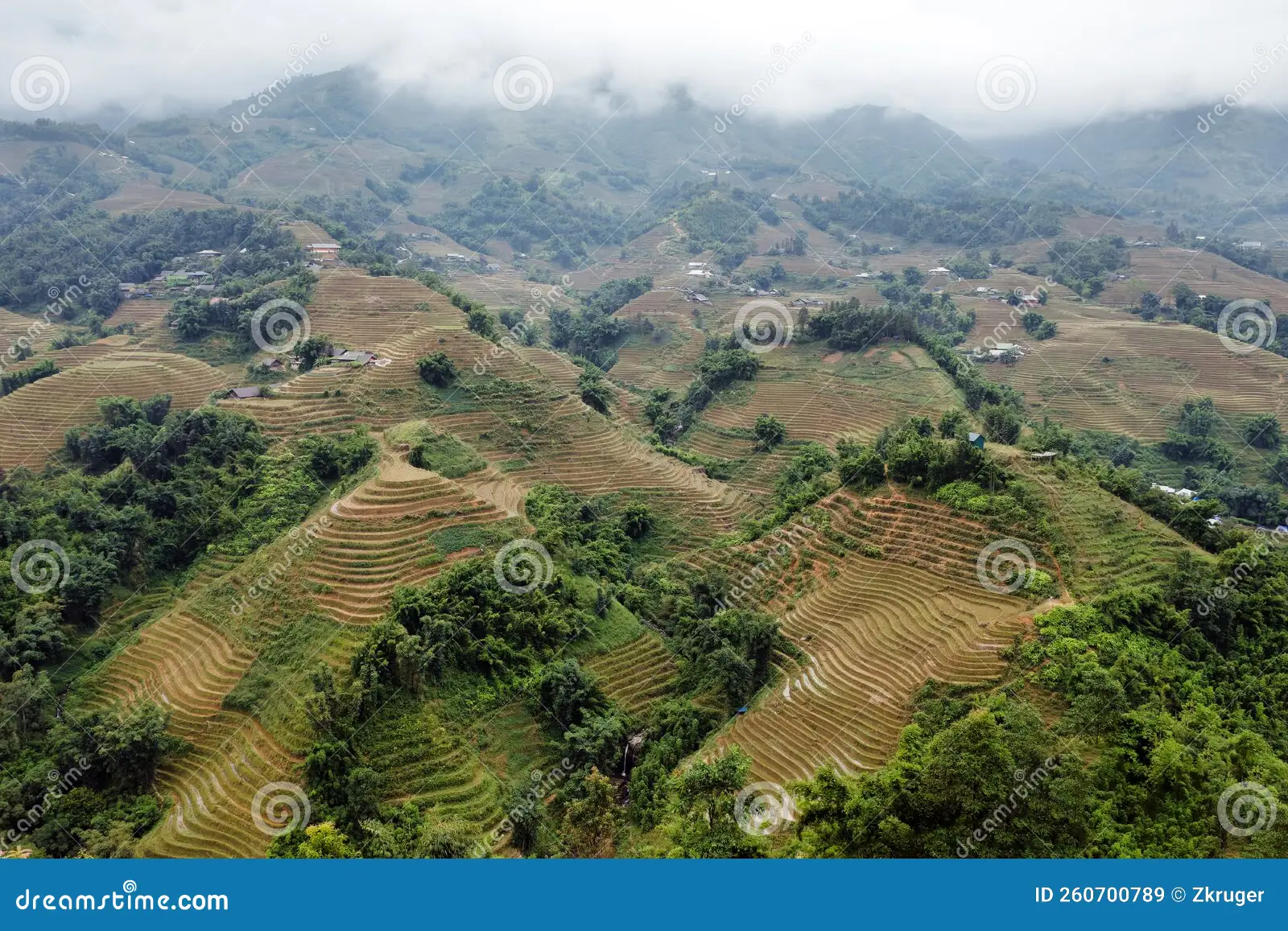
According to VinWonders' seasonal pricing analysis, prices during low season are generally 20–40% cheaper than during peak season across accommodation, tours, and transport. Flight fares in April can drop by up to 30% compared to peak winter rates. That's meaningful savings when multiplied across a two-week itinerary. Shoulder season also means Hoi An's ancient town without shoulder-to-shoulder tourists, and Sapa's terraced hillsides turning golden as the rice harvest ripens in September and October.
One practical note: the central and northern coasts are prone to typhoons between July and November. Always check regional weather forecasts and build flexibility into your itinerary. A bit of rain, however, is not a reason to avoid Vietnam — it's a reason to pack a light poncho and book refundable accommodation.
2. Book Flights in the Prime Window — Not Too Early, Not Too Late
The single most consistent way to overpay for any trip is buying flights at the wrong time. According to CheapAir.com's 2023 Annual Airfare Study — which analyzed 917 million flight prices — the optimal domestic booking window is 1.5 to 5.5 months before departure. Travelers who wait until the final three weeks before departure pay an average of 26% more than those who book in this prime window. Those booking in the final days pay roughly 59% more.
For international flights into Vietnam, the same study found that booking 10 months in advance produces the lowest prices globally. For travelers flying in from North America or Europe, where Vietnam round-trips typically run $800–$1,200, the savings from early booking are substantial. Once in-country, domestic flights on carriers like VietJet Air or Bamboo Airways between Hanoi and Ho Chi Minh City run $40–$80 when booked 2–3 weeks ahead — but prices spike quickly as the date approaches.
The CheapAir.com study also confirmed that Wednesday is the cheapest day of the week to fly, saving an average of $100 per ticket compared to Sunday. Tuesday is the second most affordable. Flexibility on departure day alone can cover a night or two of accommodation in Vietnam.
3. Use Sleeper Buses and the Reunification Express Train
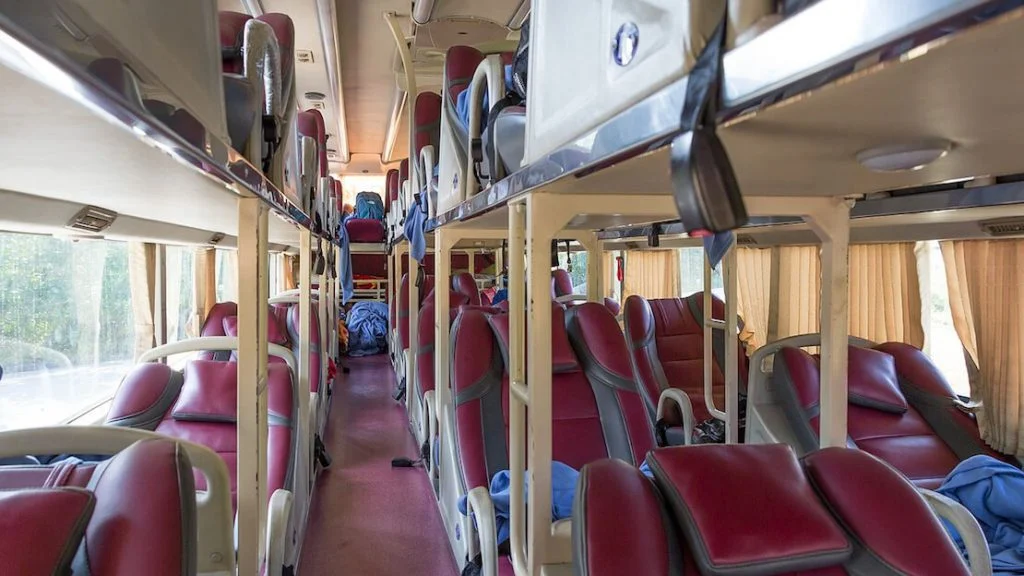
Vietnam is long and narrow — roughly 1,650 km from Hanoi to Ho Chi Minh City — and the most budget-conscious way to cover that distance is overnight ground transport. Sleeper buses between major cities cost around $10–$15 for a 10-hour journey, according to Vietnam Backpacker Hostels, and they run the entire length of the country. The overnight departure means you save a night of accommodation while covering ground — effectively making the bus free in real terms.
For those who want more comfort and safety, the Reunification Express train between Hanoi and Ho Chi Minh City is a genuinely good experience. Soft sleeper berths cost $25–$40 depending on the segment. The stretch through the Hai Van Pass between Hue and Da Nang is particularly spectacular — steep coastal cliffs dropping into turquoise water — and worth timing for daylight hours. Trains are slower than buses but the legroom, stability, and scenery justify the modest premium for many travelers.
For local movement within cities, use Grab — the dominant ride-hailing app across Vietnam. Fares are metered, displayed before the trip confirms, and far lower than flagging down a taxi. Public buses in Hanoi and Ho Chi Minh City cost as little as VND 7,800–9,000 (approximately $0.30–0.40) per ride — unbeatable for short hops.
4. Eat Where Locals Eat, Not Where Signs Say "English Menu"
A breakfast of bánh mì — a grilled pork or egg baguette — costs roughly $1–$2 from a street vendor. A bowl of bún bò Huế or phở from a local shop runs $1.50–$3. A full meal at a proper Vietnamese restaurant favored by office workers at lunch might reach $4–$6. Budget $15–$20 per day on food in Vietnam and you will eat extremely well — three meals, coffee, fresh juice, and a cold beer in the evening.
The practical principle here is simple: identify the stalls and small restaurants where Vietnamese locals are actually eating. A busy plastic-stool operation at 7am means the bánh mì is fresh, the price is local, and the risk of stomach issues is low because turnover is high. The restaurant displaying "ENGLISH MENU" and "TRIPADVISOR RECOMMENDED" signage outside a major attraction will charge two to four times more for an inferior version of the same dish.
As an exception to local-only dining, many traveler-oriented cafes and restaurants in Hoi An, Hanoi's Old Quarter, and Da Nang's riverside offer good value while serving both Vietnamese and international cuisine. The key is to look at who is sitting inside rather than what the signage promises.
5. Choose Accommodation with a Kitchen or Free Water Access
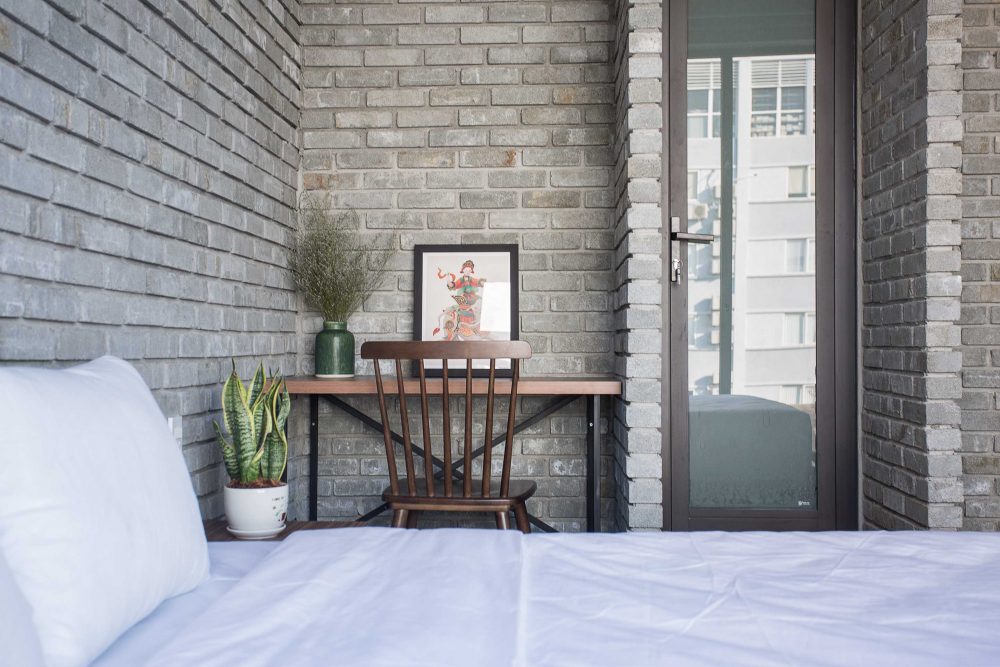
Dorm beds in Vietnam start at $5–$10 per night at hostels in Hanoi, Ho Chi Minh City, Hoi An, and Da Nang. A clean private room with air conditioning and an en-suite bathroom runs $15–$30 at a well-reviewed guesthouse. These are not rough conditions — the country's budget accommodation sector is genuinely developed and competitive.
Two features worth prioritizing in a hostel or guesthouse: a communal kitchen and free water refills. Cooking even one meal per day — typically breakfast, which in Vietnam doesn't require much — eliminates a daily expense. Hostels that provide filtered water for refills save you from buying bottled water multiple times a day. In a hot climate where hydration is constant, that adds up. A reusable bottle is one of the most cost-effective items in any Vietnam packing list.
For savings on the accommodation booking itself, the vietnamnet.vn tip about using platforms like Booking.com and Agoda holds — but also try messaging properties directly on social media once you have a booking. Some guesthouses offer a slight discount for direct payment, bypassing the platform commission entirely.
6. Prioritize Free and Low-Cost Attractions
Vietnam's most memorable experiences are disproportionately affordable. The Old Quarter in Hanoi is best explored on foot. The Hai Van Pass is a public road. The rice terraces of Sapa, the limestone karsts of Ha Long Bay visible from Cat Ba Island's public beaches, the ancient town of Hoi An's lantern-lit streets — none of these require expensive entry tickets to experience.
When paid attractions are worth it, the prices are genuinely low. Entry to the War Remnants Museum in Ho Chi Minh City costs just VND 15,000 — approximately $0.66. The Hue Imperial Citadel complex charges around VND 150,000 ($6). The My Son Sanctuary, a UNESCO-listed cluster of Cham temples, costs VND 150,000 as well. These are not significant line items in any travel budget.
Where discounts exist, they are often available online. According to the vietnamnet.vn money-saving analysis, booking activities and attraction tickets through platforms rather than at the gate can save up to 50% for certain organized tours and experiences. Cooking classes in Hoi An, motorbike tours in Hanoi, and kayaking day trips in Ha Long Bay all see regular promotional pricing on booking platforms — worth checking before paying full walk-in rates.
7. Master the Art of Market Bargaining
Shopping at Ben Thanh Market in Ho Chi Minh City or Dong Xuan Market in Hanoi is a cultural experience worth having, but only if you approach it correctly. Prices quoted to tourists at market stalls are typically set significantly higher than what vendors expect to accept — this is the starting point of a negotiation, not a final offer.
A practical approach: ask the price, respond with genuine calm, and counter-offer at roughly 40–50% of the initial quote. The vendor will come down. Meet somewhere around 60–70% of the original price, or slightly lower. If the negotiation stalls and you are genuinely willing to walk, begin leaving — many vendors will call you back with a better number. The key dynamic is that both parties know this is a ritual, and neither side takes it personally.
This applies to clothing, souvenirs, and handicrafts. It does not generally apply to food sold at market stalls, where prices are usually fixed and fair. Attempting to bargain for a bowl of soup or a plate of bánh xèo at a food market is unnecessary and mildly awkward.
8. Book Accommodation During Tet and Holidays Far in Advance

This tip is about avoiding the single largest budget disruption for Vietnam travelers: traveling during the Lunar New Year (Tet) period without advance preparation. Accommodation prices in major tourist destinations spike dramatically during Tet. Some tours and transport routes operate on reduced schedules or shut down entirely. As wanderonless.com notes, additional surcharges apply around major holidays, and operators may require confirmation of availability before travel.
For 2026, Tet falls in late January to early February. For 2027, plan around mid-February. The practical advice: if you intend to travel during these windows, book accommodation and transport at least 2–3 months ahead. If you have flexibility, schedule your Vietnam trip to begin just after the Tet week concludes — prices drop, transport normalizes, and locals return to their routines quickly.
The same principle applies, to a lesser extent, to Vietnamese national holidays like April 30 (Liberation Day), May 1 (International Labor Day), and September 2 (National Day). Domestic travel spikes significantly during these long weekends.
9. Use Rewards Cards and Travel Platforms Strategically
The vietnamnet.vn budget travel guide includes a practical point often overlooked by first-time Vietnam travelers: using travel rewards credit cards for all bookings — flights, hotels, tours — accumulates points that translate directly into future travel savings. For travelers from markets where rewards cards are common (North America, Australia, Western Europe), routing a Vietnam trip entirely through a miles-earning card can yield enough points for a future domestic flight or hotel night.
Within Vietnam, digital payment is expanding in urban areas, but cash remains essential — especially for street food, local markets, small guesthouses, and rural transport. As of 2025–2026, $1 USD trades at approximately 25,000 VND. ATM withdrawals in Vietnam generally incur fees of VND 30,000–50,000 per transaction, so withdraw larger amounts less frequently rather than small amounts repeatedly. Currency exchange at airports offers significantly worse rates than bank ATMs in city centers.
For booking transport within Southeast Asia, platforms like 12Go aggregate buses, minivans, and trains across Vietnam and neighboring countries. The small booking fee — typically $1–2 per transaction — is worth paying for the time saved versus hunting down individual operators in each city.
Putting It Together: What a $35-a-Day Vietnam Trip Looks Like
These nine strategies are not theoretical. A traveler staying in dorm beds ($8/night), eating three local meals daily ($10–$15), using sleeper buses between cities ($10–$15 amortized per day), and visiting mostly free or low-cost attractions can genuinely land near $30–$40 per day in Vietnam — not as deprivation, but as intentional choices that leave more room for the experiences that actually matter.
The three principles that deliver the most consistent savings are: timing (shoulder season and advance booking), eating locally (street food and local restaurants rather than tourist-facing venues), and moving smartly (Grab over taxis, overnight buses over costly domestic flights when time allows). Everything else — market bargaining, rewards cards, free attractions — adds incremental value on top of this foundation.
Vietnam rewards travelers who take the time to understand how its economy actually works. The country's affordability is genuine, not a myth — but it is accessible only to those who engage with it rather than defaulting to the tourist-tier version of every experience.
Frequently Asked Questions
Do I need to carry cash everywhere in Vietnam, or can I rely on cards?
Cash is still essential for most day-to-day spending in Vietnam — street food vendors, local markets, small guesthouses, and motorbike taxis almost universally operate cash-only. Credit and debit cards are accepted at larger hotels, restaurants in tourist areas, and some tour operators. The safest strategy is to carry enough VND for a full day's expenses and use ATMs in city centers (which offer better rates than airport exchange counters) to withdraw larger amounts infrequently, minimizing transaction fees.
Is it safe to eat street food in Vietnam, or is stomach illness a real risk?
Street food in Vietnam is generally safe when you apply a basic filter: eat at stalls with high turnover, a visible crowd of local customers, and food that is freshly cooked to order. High traffic means ingredients are fresh and not sitting out for hours. Avoid pre-cooked food displayed at room temperature for long periods. Most seasoned Vietnam travelers eat street food daily without incident — the risk is overstated, and the rewards in flavor and cost are significant.
What is the cheapest way to get a SIM card or mobile data in Vietnam?
Local SIM cards are available at the airport and at mobile shops throughout Vietnam's major cities. Providers like Viettel, Vinaphone, and Mobifone offer prepaid data packages starting from roughly $5–$8 for 10–15GB of 4G data valid for 30 days. This is considerably cheaper than international roaming or buying an eSIM from a foreign provider. A local SIM also gives you access to Grab, Google Maps navigation, and translation tools — all essential for budget travel — from the moment you land.
Are visas expensive for Vietnam, and is the e-visa process straightforward?
Vietnam's e-visa system has been considerably streamlined since 2023. Most nationalities — including US, EU, Australian, and UK passport holders — can apply for a 90-day multiple-entry e-visa online through the official Vietnam Immigration portal for a fee of $25 USD. Processing typically takes 3 business days. Avoid third-party "visa services" that charge $50–$100 for the same application — the government portal is direct and reliable.
Is haggling expected in all shopping situations, or only at markets?
Bargaining is expected and culturally normal at traditional markets (Ben Thanh, Dong Xuan, Hoi An Night Market), at souvenir shops, and with independent vendors selling clothing or handicrafts. It is not expected or appropriate at supermarkets, shopping malls, pharmacies, or fixed-price restaurants. A good rule: if the item has no price tag visible, a negotiation is probably expected. If a price is printed or displayed clearly, it is typically final.
Sources: