Vietnamese Culinary Tourism: 30+ Must-Try Dishes Across the Country
Vietnam ranks 22nd on TasteAtlas's global list of the world's best cuisines, with a rating of 4.44 out of 5 — outpacing several European and Southeast Asian competitors. That number is not just a statistic. It reflects decades of culinary tradition compressed into bowls of steaming broth, layers of crisped baguette, and hand-rolled spring rolls assembled tableside at dawn markets. For travelers, Vietnam is not merely a destination — it's a sequential dining experience that runs from the highlands of the northwest to the waterways of the Mekong Delta.
What makes Vietnamese food genuinely distinct is its regional identity. A bowl of phở in Hanoi tastes nothing like the version in Saigon — the broth depth, the sweetness, the garnish selection are all different, shaped by local ingredients and generations of adjustment. Traveling through Vietnam means eating your way through three culinary cultures: the restrained, herb-forward north; the bold, spiced center; and the sweet, abundant south.
This guide covers 30+ dishes across all three regions — what they are, where to find them, how much to pay, and why they deserve a place on any serious food itinerary.
Northern Vietnam: Subtle Depth and Heritage Flavors
The northern kitchen draws on minimalism — fewer spices, cleaner broths, and a commitment to the quality of a single main ingredient. Hanoi is ground zero for several of Vietnam's most internationally recognized dishes.
Phở Hà Nội is the obvious starting point. Its broth is built over hours from beef bones, charred ginger, and star anise, producing a clear, aromatic soup that carries remarkable complexity without heaviness. TasteAtlas ranked phở bò 100th among the world's best dishes, and CNN has listed it among Vietnam's essential foods. In Hanoi, a bowl runs between 40,000 and 90,000 VND — less than four dollars for something that functions as both breakfast and cultural touchstone.
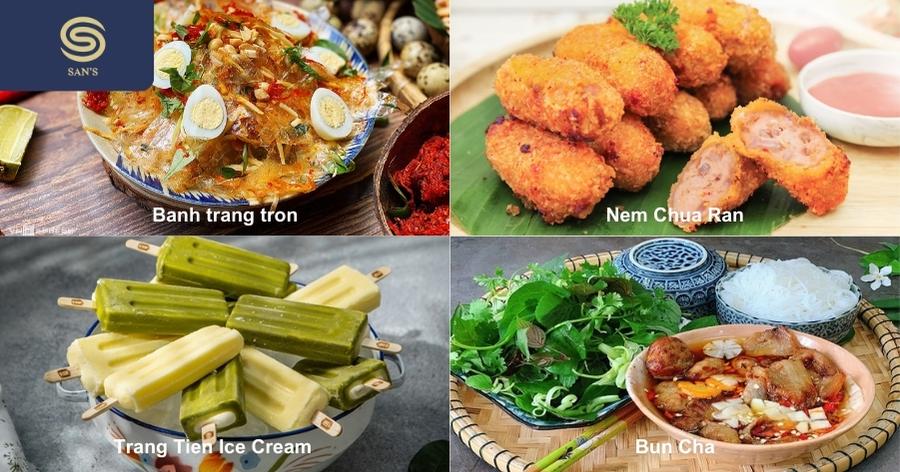
Bún Chả Hà Nội gained international visibility in 2016 when Anthony Bourdain and President Barack Obama shared it together in a Hanoi restaurant — an episode of Parts Unknown that briefly made the dish front-page news worldwide. Grilled pork patties arrive in a bowl of cool, vinegary broth alongside a plate of vermicelli and a stack of fresh herbs. The dish costs around 45,000 VND at most street stalls and demands no special occasion to order.
Chả Cá Lã Vọng is less well-traveled but earned a spot in the book 1,000 Places to See Before You Die and received recognition from CNN as one of Vietnam's finest dishes in 2016. Turmeric-marinated snakehead fish is pan-fried tableside with dill and spring onions, then served over noodles with peanuts and shrimp paste. At 120,000 VND per portion, it's a deeper investment — and a deeper flavor.
From the northern coast, Chả Mực Hạ Long — fried squid cakes made from freshly caught squid pounded to a paste — is specific to the Hạ Long Bay area and essentially unavailable in its authentic form anywhere else. Nem Cua Bể Hải Phòng (square-wrapped crab spring rolls from Hải Phòng) and Bánh Đa Cua Hải Phòng (thick rice noodles in crab broth) complete a coastal northern itinerary that most visitors miss entirely.
Further inland, Khâu Nhục Lạng Sơn — long-braised pork belly with fermented tofu, originally adapted from Chinese cooking along the border — requires patience from the cook and provides a deeply savory reward for the eater. Trâu Gác Bếp Tây Bắc, smoked buffalo meat air-dried over the hearth in northwestern highland villages, is fundamentally a preservation technique turned into a delicacy. At 850,000 to 900,000 VND per kilogram, it's the most expensive item on this northern list, but nothing else tastes like it.
Central Vietnam: The Most Complex Culinary Region
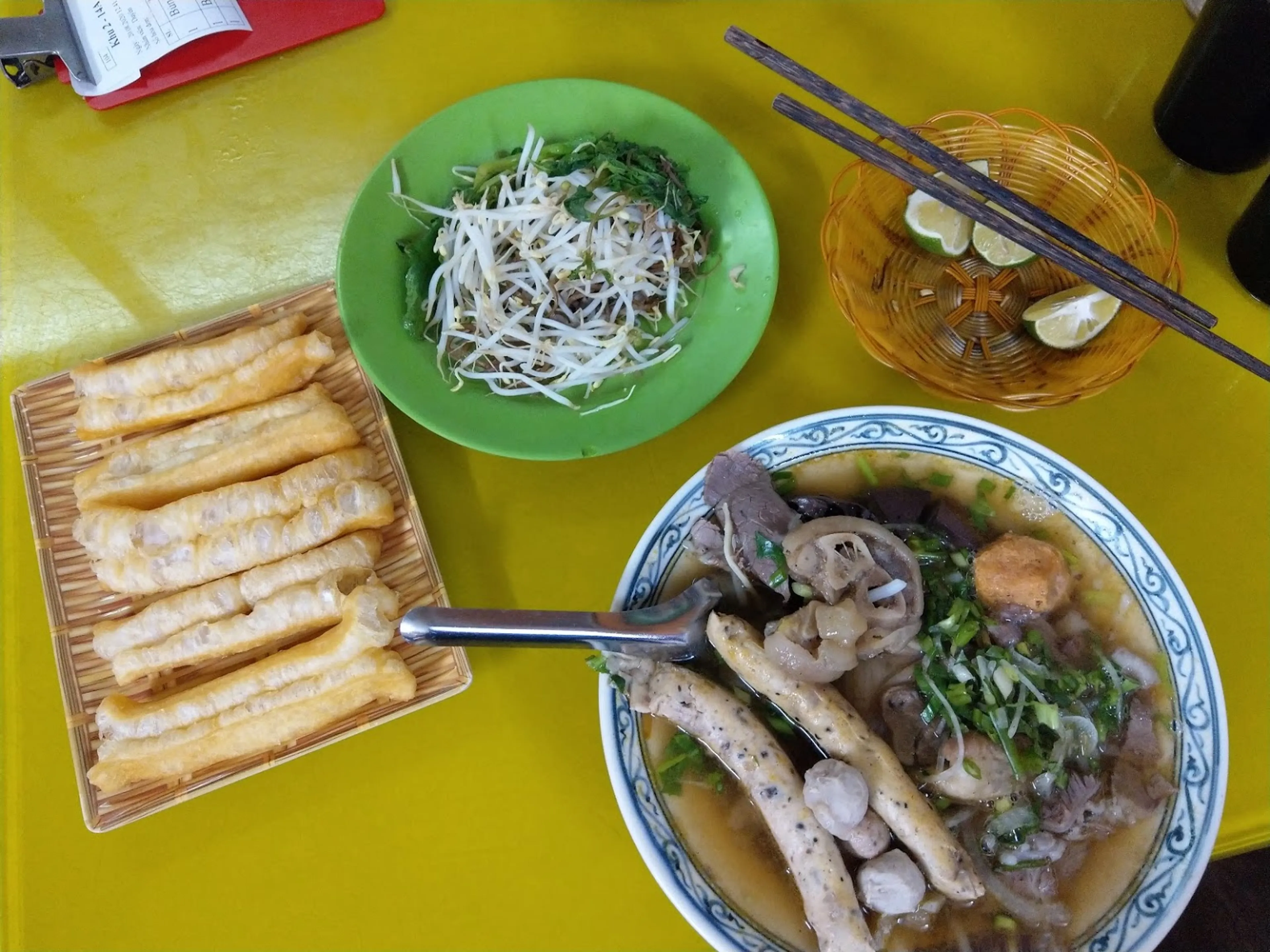
Central Vietnam, anchored by Huế and Hội An, is widely considered the most technically demanding cooking region in the country. The imperial court of Huế historically demanded elaborate, precisely seasoned food — and that standard filtered down into the everyday eating culture of the whole region.
Bún Bò Huế deserves more international recognition than it currently receives. Unlike phở, its broth is built on lemongrass, shrimp paste, and chili oil, producing a spiced, opaque soup that carries more aggressive heat and a deeper umami layer. The toppings — pork knuckle, sliced beef, Vietnamese meatballs (chả) — make each bowl a substantial meal. At 35,000 VND, it represents exceptional value.
Cao Lầu is architecturally unique. The thick wheat noodles are produced using water drawn specifically from Hội An's Bá Lễ Well and ash from the Cham Islands — a method that makes authentic cao lầu essentially impossible to replicate outside Hội An. The dish layers roasted pork, bean sprouts, fresh herbs, and crispy rice crackers over the chewy noodles, with a small pour of concentrated braising sauce. The flavors reflect the town's history as a 17th-century trading port where Chinese, Japanese, and local Vietnamese influences intersected. At 30,000 VND, it's one of the most historically significant cheap meals in Southeast Asia.
Mì Quảng from Quảng Nam uses turmeric-yellow noodles with a small quantity of shrimp-and-pork broth — just enough to dress the noodles rather than submerge them. The dish is finished with crushed peanuts, fresh herbs, and a large bánh tráng (rice cracker) crumbled over the top. The textural range in a single bowl is remarkable. Prices run 40,000 to 60,000 VND.
Gỏi Cá Nam Ô Đà Nẵng is a raw mackerel salad using fish caught and prepared within hours of landing — a dish that only makes sense within a few kilometers of the Da Nang coastline. The fish is marinated in lime and galangal, then mixed with peanuts, sesame, herbs, and a local mắm nêm (fermented fish sauce). At 80,000 to 90,000 VND, it's a commitment to freshness that food-focused travelers specifically seek out.
Huế's dessert culture — Chè Huế and Bánh Huế — merits its own afternoon. The city produces dozens of varieties of sweet soups, sticky rice cakes wrapped in banana leaf, and rice dumplings filled with mung bean or shrimp. Many cost just 15,000 VND per portion and are served from carts along the Perfume River at dusk.
Southern Vietnam: Abundance and Sweet Complexity
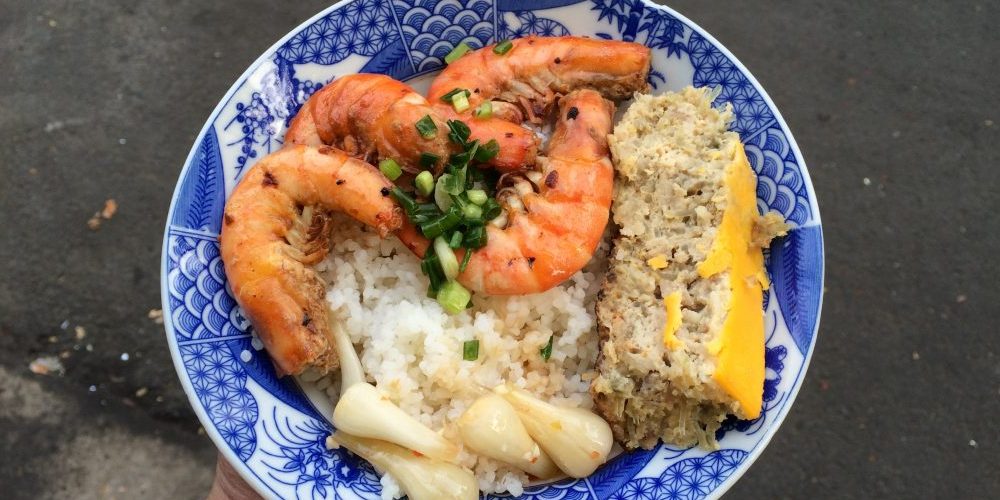
The south operates on a different culinary logic — generosity of ingredient, sweetness in the broth, and a herb plate that often exceeds the dish it accompanies. The Mekong Delta in particular brings seasonal specialties that exist for only a few months each year.
Cơm Tấm Sài Gòn is perhaps the most adaptable dish in this list. The broken rice (tấm) was historically the discarded fragments from milling — sold cheaply to laborers. It's now the base for what might be Ho Chi Minh City's most consumed meal, served with grilled pork chop (sườn nướng), shredded pork skin (bì), steamed egg mold (chả trứng), and scallion oil at 35,000 VND and up. TasteAtlas included cơm tấm in its global ranking of the 100 best breakfast dishes.
Bánh Xèo — the sizzling crepe — uses a batter of rice flour, turmeric, and coconut milk poured into a hot oiled pan with shrimp, pork, and bean sprouts, folded in half and served with a large bundle of mustard greens and herbs for wrapping. The correct technique involves tearing off a section, wrapping it in a lettuce leaf with mint and perilla, and dunking the whole package in nước chấm. TasteAtlas rates bánh xèo at 4.2/5 among Vietnamese street foods. In Cần Thơ, it costs 35,000 to 40,000 VND.
Gỏi Cá Trích Phú Quốc follows the same logic as its central counterpart — freshness as the entire point. Sardines from Phú Quốc's waters are marinated in citrus and assembled with Vietnamese coriander, star fruit, green banana, and sesame rice crackers. Phú Quốc also produces Vietnam's most prized fish sauce, and eating this salad on the island is the complete context for understanding why that sauce matters.
Lẩu Cá Linh Bông Điên Điển from An Giang province is a seasonal hot pot available only during the October–November flood season when the cá linh (small river fish) and bông điên điển (sesbania flowers) are both available simultaneously. At 280,000 VND per pot, it's something travelers specifically time their visits to the Delta to catch.
Hủ Tiếu Sa Đéc — clear rice noodles in pork-and-shrimp bone broth — from Sa Đéc in Đồng Tháp province is delicate and clean, a counterpoint to the heavier flavors elsewhere in the south. Bún Cá Châu Đốc (snake head fish noodle soup adapted from Cambodian cooking) and Bún Quậy Phú Quốc (an interactive stir-it-yourself noodle dish) both reflect the multicultural border and island influences that make southern cooking the most diverse of the three regions.
Street Foods That Cross Regional Boundaries
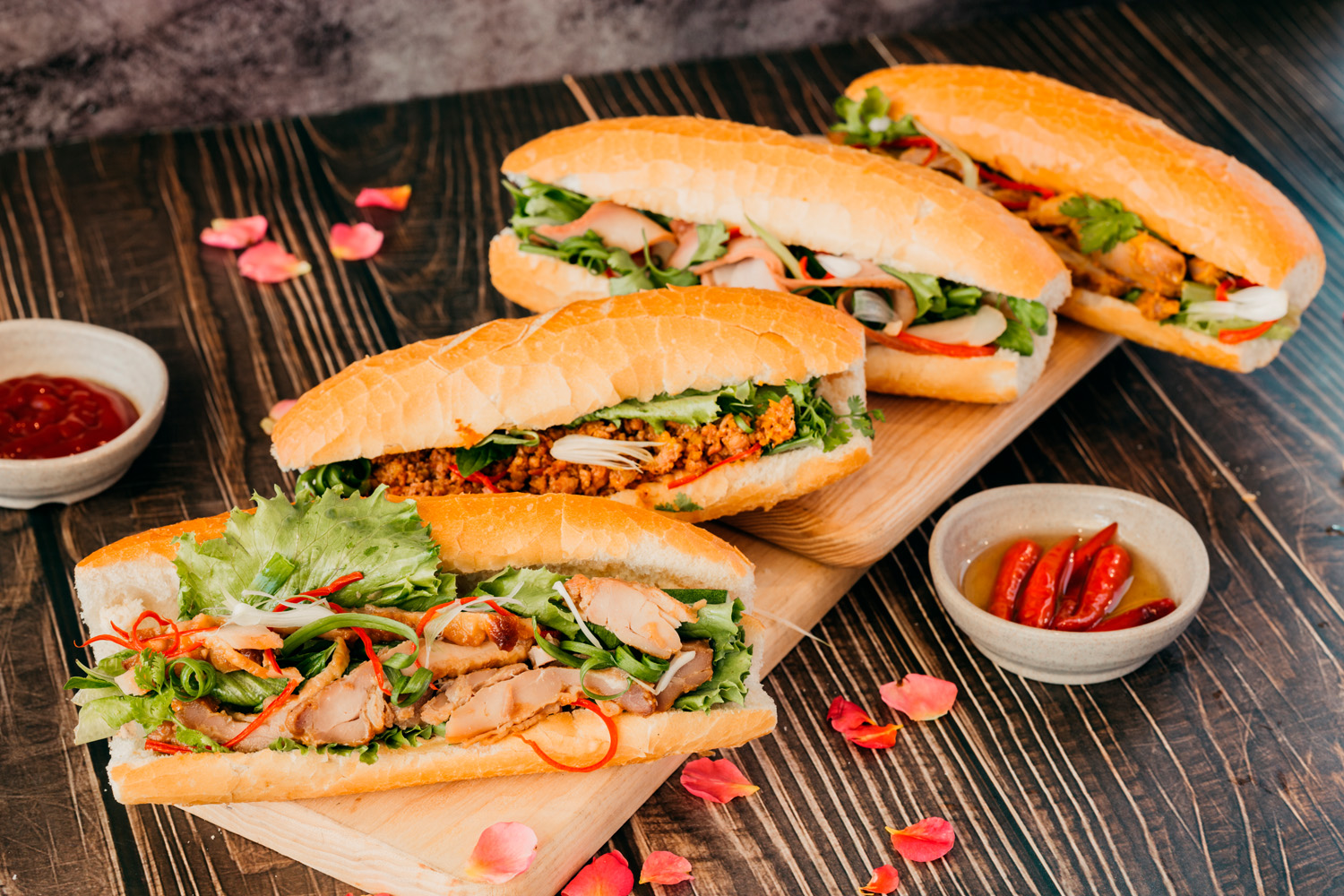
Several Vietnamese dishes have transcended regional identity to become national — and in some cases global — standards.
Bánh Mì was recognized in 2025 as one of the Top 25 Best Sandwiches in the World, and TasteAtlas ranked it 14th among the planet's best dishes. The original form — a legacy of French colonial baking, reinterpreted with Vietnamese fillings — involves a crispy-shelled, airy-crumbed baguette packed with pâté, cold cuts, pickled daikon and carrot, fresh cucumber, cilantro, and sliced chili. In Hanoi it costs 20,000 VND. In Ho Chi Minh City, specialist shops charge more for premium fillings. In both cities, it's available from 5 a.m.
Gỏi Cuốn (fresh spring rolls) appeared on CNN's list of the world's 50 best foods. Unlike the fried version, these are uncooked — rice paper wrapped around shrimp, pork, herbs, and vermicelli, served with peanut sauce. They're ubiquitous, light, and demonstrate the Vietnamese skill of building complexity from raw ingredients and a well-calibrated dipping sauce.
Chả Giò (fried spring rolls, known as nem rán in the north) earned a 4.3/5 rating on TasteAtlas — the highest among Vietnamese street foods listed — and appeared on TasteAtlas's global ranking of the world's best fried dishes. The pork, shrimp, and mushroom filling inside the crispy rice-paper shell is a standard by which many Vietnamese cooks measure their own baseline technique.
Cà Phê Trứng (egg coffee), Cà Phê Sữa Đá (iced milk coffee), and Vietnamese cà phê đen (black drip coffee) all made TasteAtlas's list of the world's 63 best coffee drinks, with iced milk coffee ranking 8th globally. Vietnamese coffee culture — built on Robusta beans grown in the Central Highlands, dripped through a phin filter — is inseparable from the food tourism experience.
Planning an Ẩm Thực Việt Nam Tour: Practical Notes
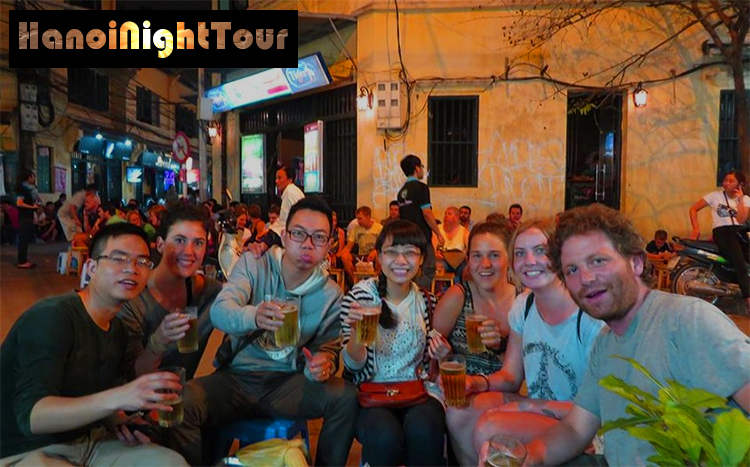
A dedicated tour ẩm thực across Vietnam's three regions realistically requires at least ten to fourteen days to cover the major food cities — Hanoi, Hội An, Đà Nẵng, and Ho Chi Minh City — without rushing. Each city warrants at least two full days of eating.
Eating schedules matter. Phở and cơm tấm are morning dishes; most vendors close by 10 a.m. Bún chả and cơm hến in Huế are typically lunch-only. Evening is for bánh xèo, seafood hot pots, and chè desserts. Trying to eat everything at the wrong time means missing the best versions.
Budget travelers can eat extraordinarily well on 200,000 to 300,000 VND per day. Mid-range food tourists spending 500,000 to 800,000 VND can add seated restaurants, cooking classes, and market tours. Guided food tours in major cities typically run 800,000 to 1,500,000 VND per person and provide access to vendors and neighborhoods that independent travelers rarely find.
For regional đặc sản that don't travel well — cao lầu, chả mực Hạ Long, lẩu cá linh — there is no substitute for being in the right place at the right time. These dishes define why culinary tourism in Vietnam is different from simply ordering Vietnamese food abroad.
Conclusion
Three things consistently define ẩm thực Việt Nam at its best: an obsessive commitment to freshness, a structural reliance on herbs and raw vegetables as components rather than garnish, and a regional specificity that makes geography meaningful at the dinner table. Vietnam's rise to 22nd place on TasteAtlas's global cuisine rankings reflects decades of street-level excellence, not restaurant-industry marketing.
The 30+ dishes covered here represent a genuine cross-section — from a 15,000 VND bowl of cơm hến in Huế to a 900,000 VND/kg package of highland smoked buffalo, from the internationally famous bánh mì to the seasonally rare Mekong hot pot. What they share is a sense of place that makes eating them in Vietnam categorically different from eating them anywhere else.
Any traveler serious about Vietnamese food should eat on a schedule, ask locals where they eat (not where tourists eat), and arrive in each region willing to start meals at 6 a.m.
Câu hỏi thường gặp
What is the best time of year to travel Vietnam for food tourism?
Each season brings different regional specialties. The October–November flooding season in An Giang produces lẩu cá linh bông điên điển, available only during these weeks. Autumn in Hanoi (September–November) is widely considered the best time for street food — cooler weather, peak ingredient quality, and festival-season eating. Central Vietnam's seafood peaks in the dry months from February to August. Year-round destinations like Ho Chi Minh City and Hội An have no significant seasonal gaps.
Is it safe to eat street food in Vietnam?
Vietnamese street food is generally safe when a few principles are followed: eat at stalls with high turnover (a crowded stall means food is cooked fresh continuously), avoid pre-cooked dishes sitting at room temperature, and drink bottled or boiled water. Many experienced food travelers report eating exclusively from street stalls throughout Vietnam without incident. The risk is lower than commonly assumed, particularly at busy morning markets and lunchtime stalls.
Which city has the most diverse food scene for a short trip?
Đà Nẵng offers the best access density for short trips — within one hour's drive, travelers can reach Hội An (cao lầu, mì Quảng, cơm gà), the Bà Nà Hills area, and the Da Nang coast (gỏi cá Nam Ô). Hanoi is the strongest single-city option for depth, with concentrated street food neighborhoods around the Old Quarter and Hồ Tây that reward multiple days of exploration.
Are there vegetarian or plant-based options in Vietnamese cuisine?
Vietnamese Buddhist cuisine (đồ chay) is one of the most developed plant-based cooking traditions in Asia. Huế in particular has a strong chay culture tied to its history as a Buddhist imperial city, with entire streets of vegetarian restaurants serving plant-based versions of bún bò, bánh bèo, and bánh nậm. The first and fifteenth days of the lunar month see many Vietnamese restaurants serving vegetarian-only menus, making timing visits around these dates a practical strategy.
Can Vietnamese food dishes be replicated abroad, or is the experience place-specific?
Some dishes travel reasonably well — phở, gỏi cuốn, and bánh mì are now made to high standards in Vietnamese communities across Australia, the US, and France. Others are fundamentally place-specific: authentic cao lầu requires Hội An's Bá Lễ Well water; chả mực Hạ Long depends on same-day squid from the bay; lẩu cá linh requires a fish species that does not migrate outside the Mekong floodplain. These irreproducible dishes are the strongest argument for traveling to Vietnam rather than eating Vietnamese food at home.